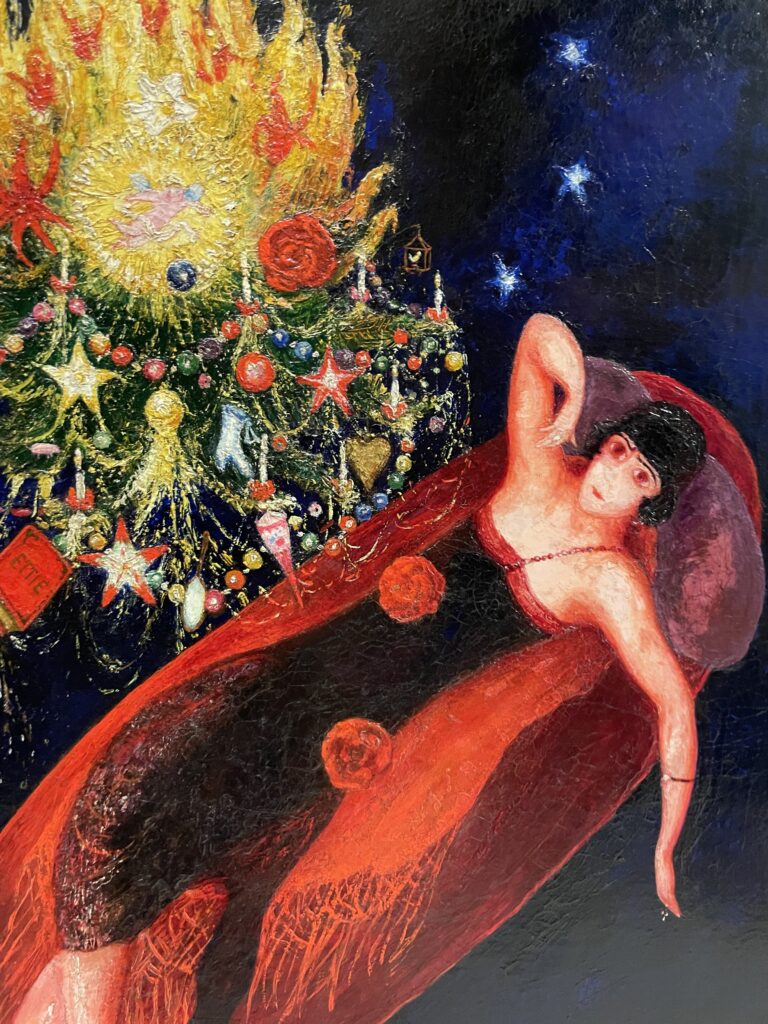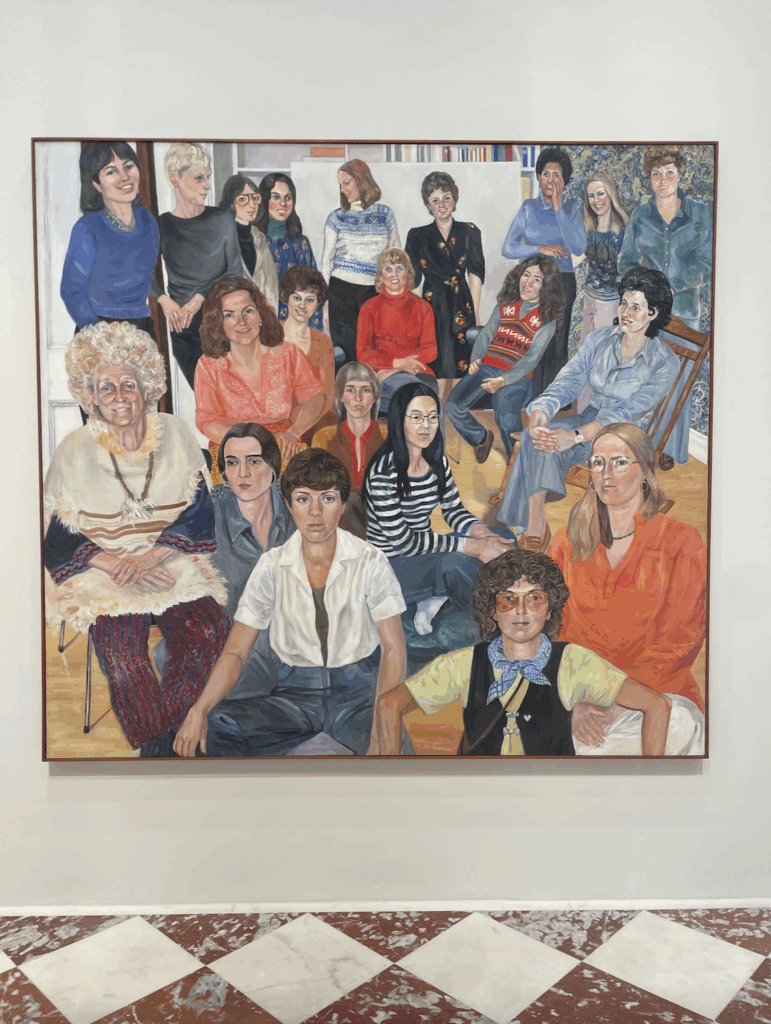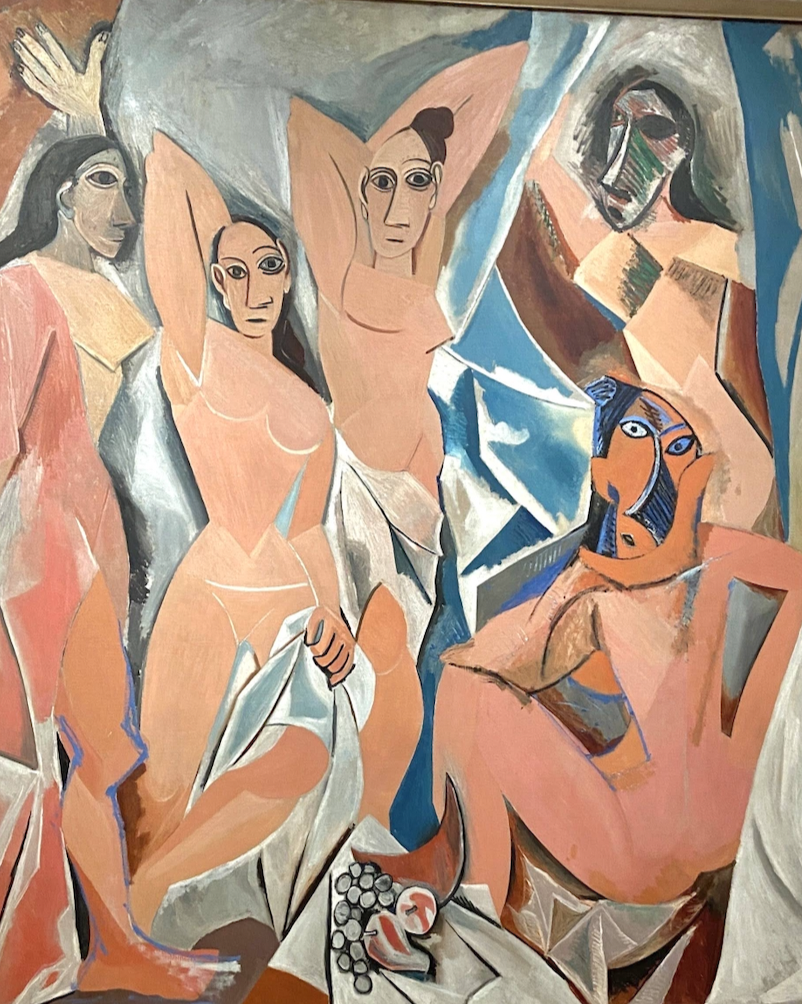
While canonical modern artists are often captivated by industrialism, urbanization, and the quotidian, is what’s central to modernity not the revolutionary inclusion of previously suppressed voices? Those voices that shaped our current societies to think independently from the stifling institutions that preceded them?

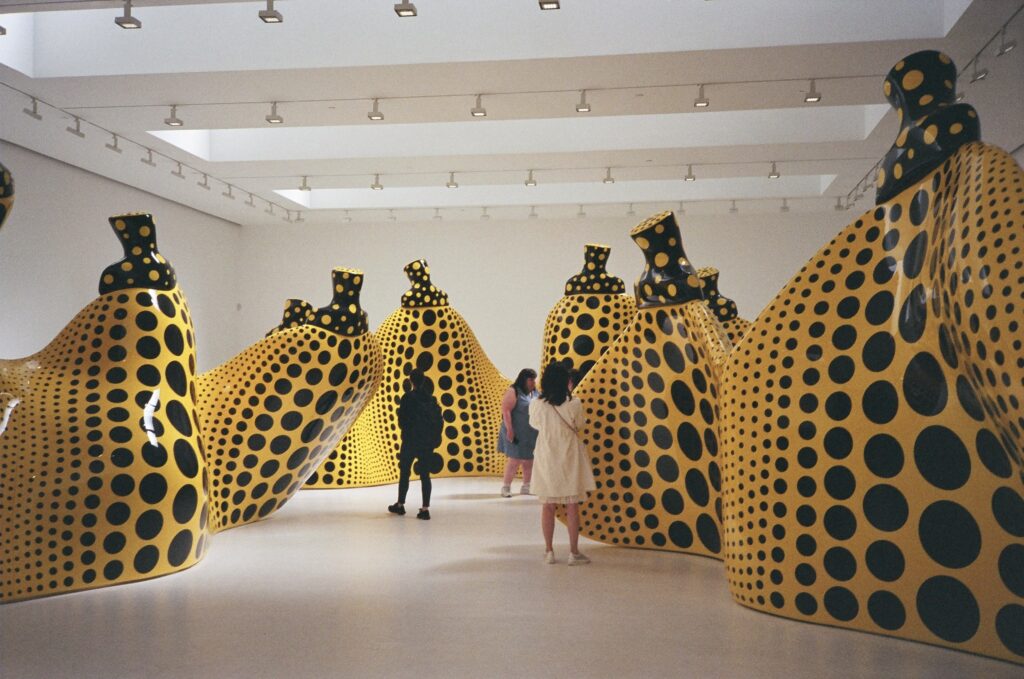
Rediscover Modern Art.

Methodology

Modern art (roughly 1870-1970) is the era most often misunderstood by newcomers to art history and museums. But, when one begins to educate themselves, they are met by select names such as Vincent van Gogh, Pablo Picasso, and Jackson Pollock. The research compiled here seeks to disrupt that precedent by focusing on underrepresented figures and narratives present in major cultural moments across the late 19th-20th centuries – and it does so all from New York City, the center of the art world. Presented through three case studies, the aggregate highlights artworks, exhibition spaces, and market sales that will help novices understand modern art and veterans rethink how they approach it.

Three Case Studies

MODERNISM REFRAMED

Explore the roles of women in late 19th-early 20th century art, from artists and curators to socialites and collectors.

Read more

POSTWAR ART REFRAMED

Consider how the artistic radicalization of the Postwar era mirrors the social movements of its time.

Read more

COLLECTING REFRAMED

Draw connections between non-Western art and the modern canon, and see how this influence extends to the art market.

Read more

About

My name is Caroline Ewing, and this website is the culmination of my research project backed by the Davidson College Larry L.R. Ligo Art History Travel Fund. With the support of this grant, I spent two weeks visiting archives and museums across New York to delve into three case studies that stemmed from the intellectual questions I debate as an art history major. Modern art is fascinating to me for its disruption of everything that came prior – the boundless ideas of the avant garde that were like nothing anyone had ever seen. As reflected here, I am passionate about the representation of women artists, who finally began to gain recognition and autonomy in this era, as well as the cross-cultural exchange that occurred amidst globalization.